
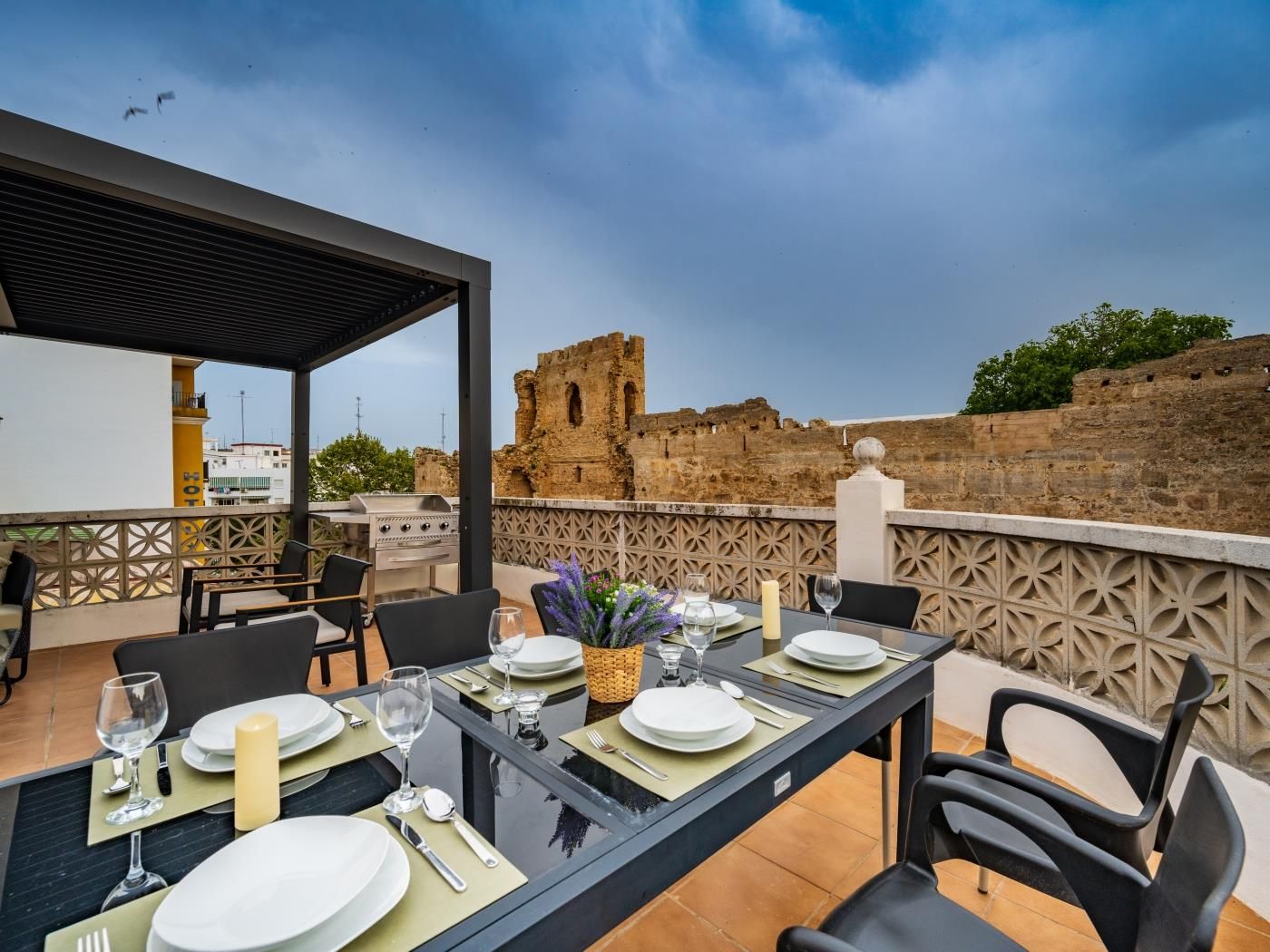
Marbella Castle, or Castillo de Marbella, is the surviving alcazaba and wall system of the town’s Islamic past, woven into the streets of the Casco Antiguo. Come to see real masonry, towers and the layered town around them, then walk on to the church and Plaza de los Naranjos. This is a rewarding short heritage walk rather than a promise of a restored, ticketed castle interior.
The most striking thing about the site is how close it sits to everyday Marbella. A turn past a whitewashed house brings you up against the fortress wall; a few steps later the modern street becomes a clue to the old defensive perimeter. If you are choosing a holiday rental next to Marbella Castle, you are also choosing to live inside this walkable part of the Old Town.
What is the history of Castillo de Marbella?
According to Marbella’s municipal heritage account, the castle is the most important Islamic-era monument still standing in the town centre. The surviving walls date to the 11th and 12th centuries. The fortification had two roughly quadrangular enclosures and perhaps ten or eleven towers. Its fabric tells an older story too: Roman capitals and stonework were reused in later construction, while the municipality notes caliphal traces and scholarly debate about earlier phases. A Roman fragment in a tower does not make the whole standing castle Roman.
In the medieval Islamic period, Marbella was a walled town with gates known as Puerta del Mar, Puerta de Ronda and Puerta de Málaga. The castle protected and controlled the settlement. After Marbella capitulated on 11 June 1485, the fortress continued to serve the new authorities; following 1492 its role shifted toward coastal watch and it received repairs. The town later changed around it. During the 16th century, part of the former medina gave way to the square now called Plaza de los Naranjos, as the city history explains. That is why a walk here moves so quickly from Islamic walls to Christian-era streets and buildings.
The names attached to the towers are clues to different moments of the site’s life. The municipal account identifies the Torre del Homenaje on Calle Portada, a tower at Portada and Arte, the Torre Blanca near Plaza de la Iglesia and Calle Carmen, and the Torre del Reloj on Calle Carmen. You need not find every stone or settle every dating debate to enjoy the place. Look at the differing masonry, the way later façades meet the wall, and how the bends of the lanes reveal where a defensive edge once ran.
What can you actually see on a castle walk?
Begin outside along the Calle Portada and Calle Arte side of the fortress, then work toward Plaza de la Iglesia and Calle Carmen. Marbella’s tourism service traces the broader castle perimeter through Solano, Portada, Arte, Salinas, Trinidad, Carmen, Ortiz del Molinillo and Virgen de los Dolores. This is a guide to reading the surviving fragments, not an instruction to enter every street or private property. Some sections are more visible than others, and temporary works or events can change the easiest route.
Pause at the wall rather than trying to photograph the whole castle at once. Reused stone and changes in texture are more interesting up close. At the Plaza de la Iglesia side, turn to the Iglesia de Nuestra Señora de la Encarnación: the town’s tourism page says its main ochre-stone Rococo doorway dates to the second half of the 18th century. Calle Carmen is a photogenic pedestrian lane where the old wall and the later town share the same view. Continue to Plaza de los Naranjos, once the civic heart created after the medieval period, and notice the town hall and Casa del Corregidor.
For a quieter cultural stop, follow the lanes to the former Hospital Bazán, now the Museo del Grabado Español Contemporáneo. The building carries Renaissance and Mudéjar features, and its museum has changing access and exhibitions: check its current programme before setting out. If the group wants a longer walk, continue to Parque de la Alameda, Avenida del Mar and the seafront. Our area guide covers the broader Marbella outing beyond this castle circuit.
Tip: Treat the walls as an open-air piece of the city. Go in daylight to notice the masonry, wear shoes suited to uneven paving and look up current access before planning any formal interior visit.
What is it like to stay next to Marbella Castle?
Being close to the walls means the heritage walk starts on your doorstep. You can go out early before the streets grow busy, come back for a break, then revisit the church square or Plaza de los Naranjos in the evening. Families can divide a day between historic lanes and the town beaches without committing to a drive; the latter are an easy walk from the Old Town. The setting is lived in, with residents, cafés and occasional processions, so do not assume museum-like silence or unrestricted car access.
Casa del Castillo is a four-bedroom townhouse facing the castle walls, with a rooftop solarium that looks over the fortress and Old Town roofs. Its location makes sense if your group wants a holiday home in the Casco Antiguo and a memorable landmark outside the door. You can see the house on our homepage, then use our Old Town stay and parking guide to plan arrival. That guide explains blue and green street parking, longer-stay car parks and why the final stretch is normally on foot.
Marbella’s castle is best understood as part of a continuous neighbourhood. Take time with the wall, let the later buildings show how the city grew around it, and give yourselves room for a second, unhurried pass once you know the lanes.
Planning a castle-side stay? Ask about dates at Casa del Castillo.
Frequently asked questions
Is Castillo de Marbella the same as Marbella Castle?
Yes. Castillo de Marbella is also described as the alcazaba and walls, the remains of Marbella’s Islamic-era fortress integrated into the Old Town.
Can you visit inside Marbella Castle?
Plan first for an outdoor walk around the surviving walls and towers in the public streets. Do not assume that an intact castle interior or regular opening hours are available; consult the official tourism page for any managed visit.
When were Marbella Castle’s walls built?
Marbella’s municipal tourism service dates the surviving walls to the 11th and 12th centuries, while discussing earlier caliphal construction and reused Roman material in the fabric.
Where can I stay near Marbella Castle?
Look for a holiday rental in Marbella Old Town near the castle-wall streets. Casa del Castillo is a four-bedroom townhouse facing the walls, with a rooftop view; guests should expect pedestrian or restricted car access in the historic core.
More from the blog
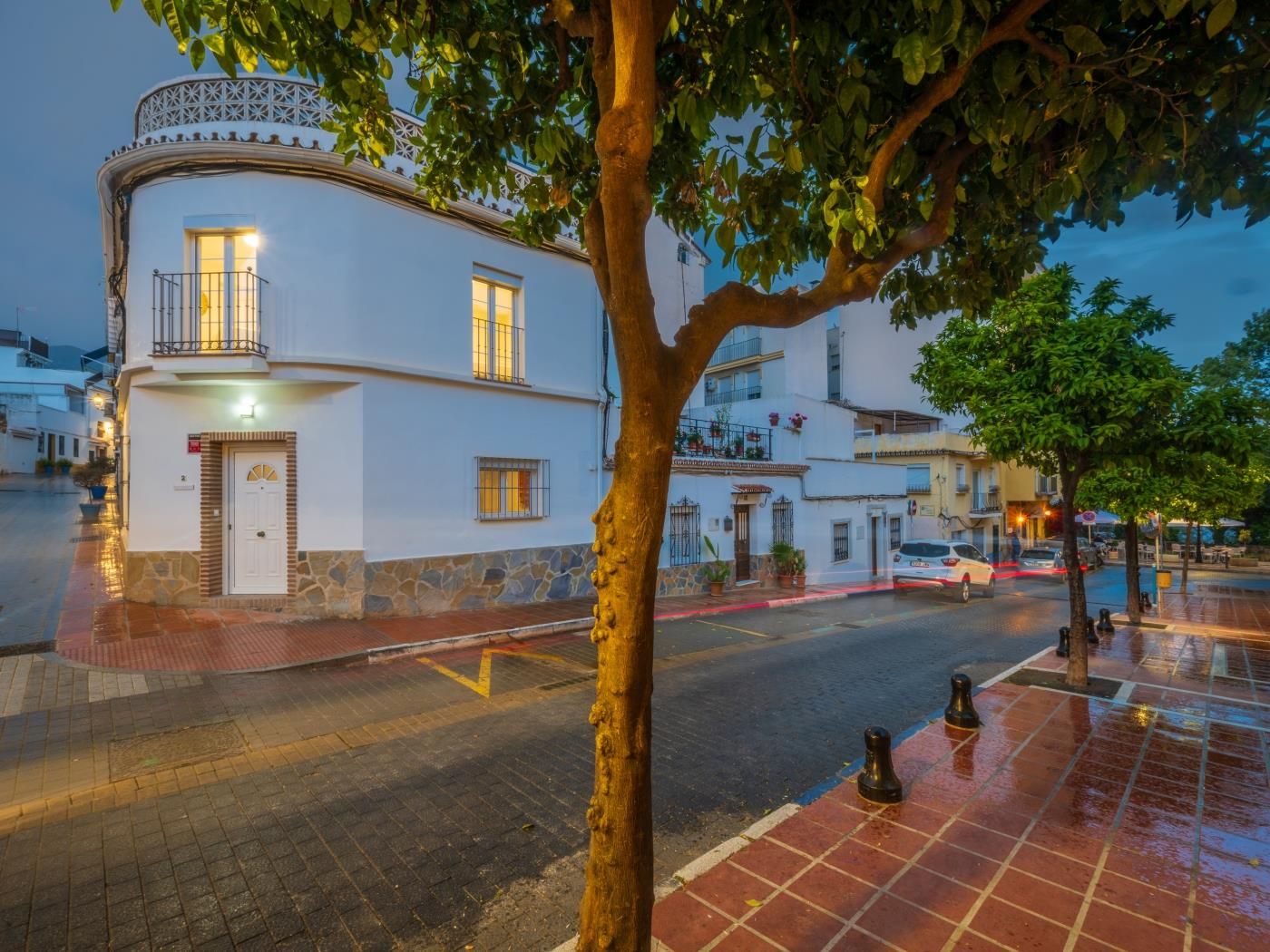
Where to Stay in Marbella Old Town: A Casco Antiguo Guide
Considering a holiday rental in Marbella Old Town? Explore the Casco Antiguo, castle, beaches, restricted car access and blue and green parking.
Read article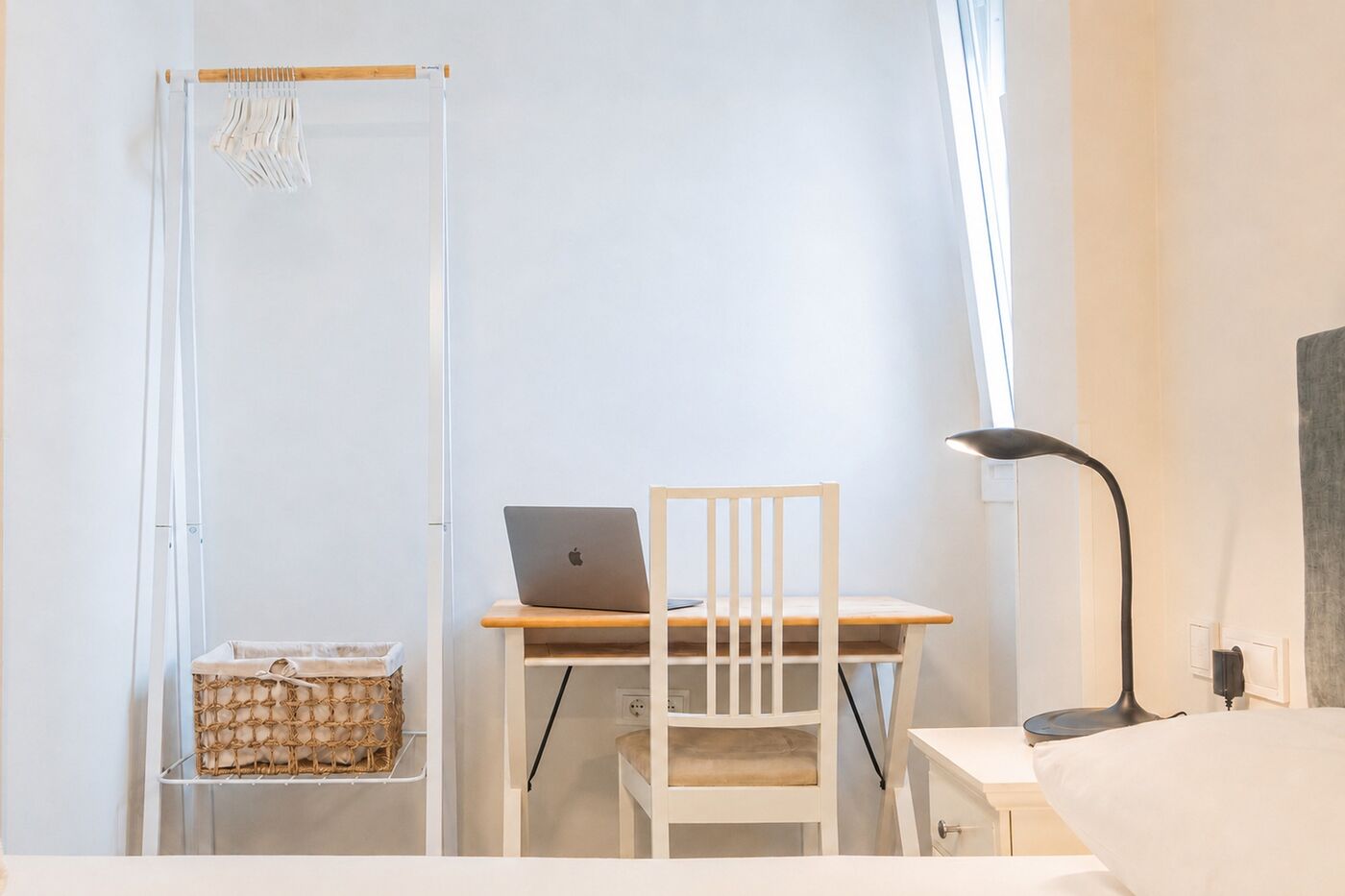
Work Remotely From Marbella This Winter: The Complete Guide
A practical guide to a winter workation in Marbella: climate, daily rhythm, sharing a four-bedroom base, transport and the checks to make before booking.
Read article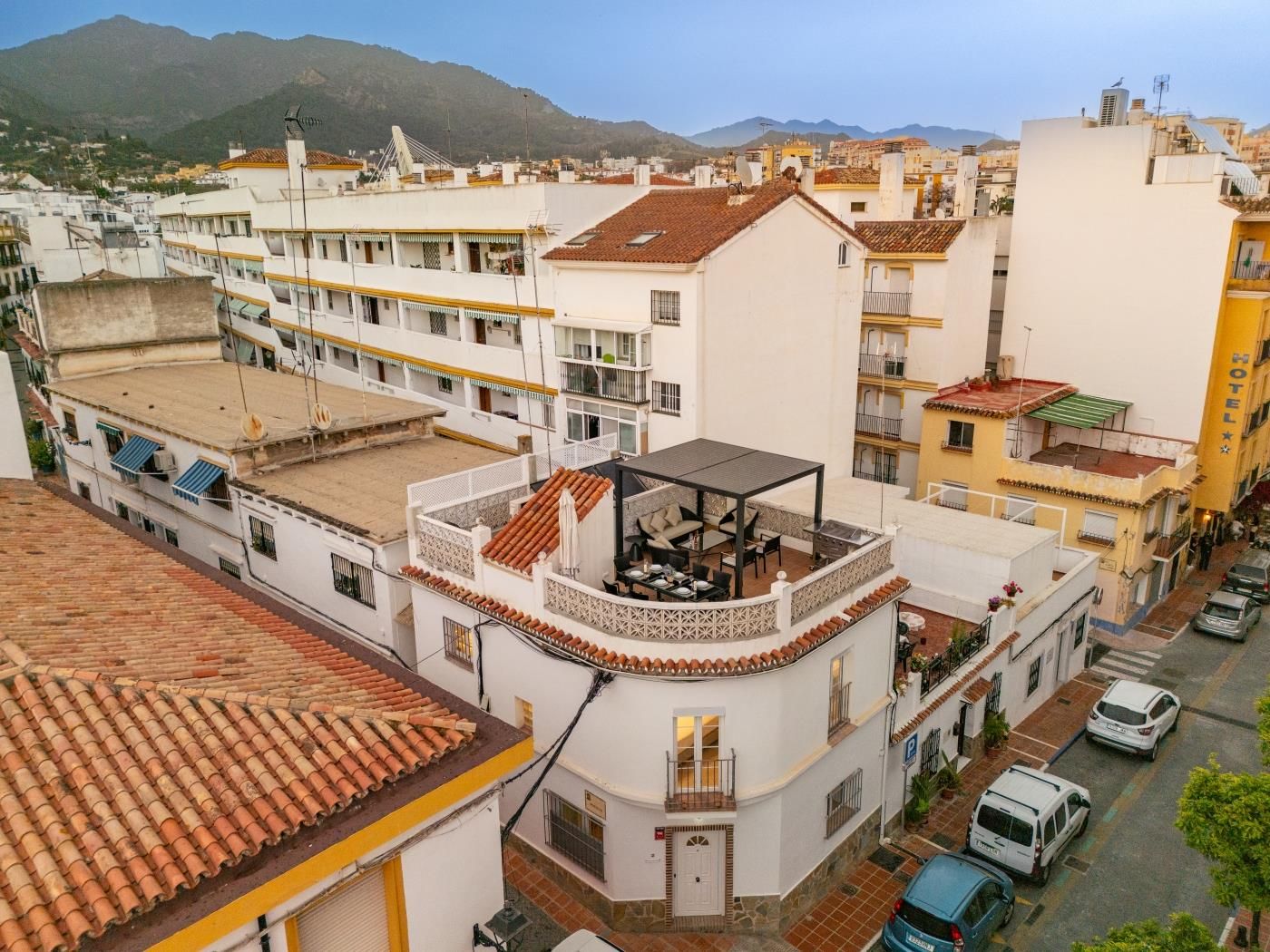
Marbella in October 2026: Weather, Events & Things to Do
What Marbella is like in October 2026: warm autumn weather, beach and Old Town plans, event advice, opening-hour checks and who the month suits.
Read article